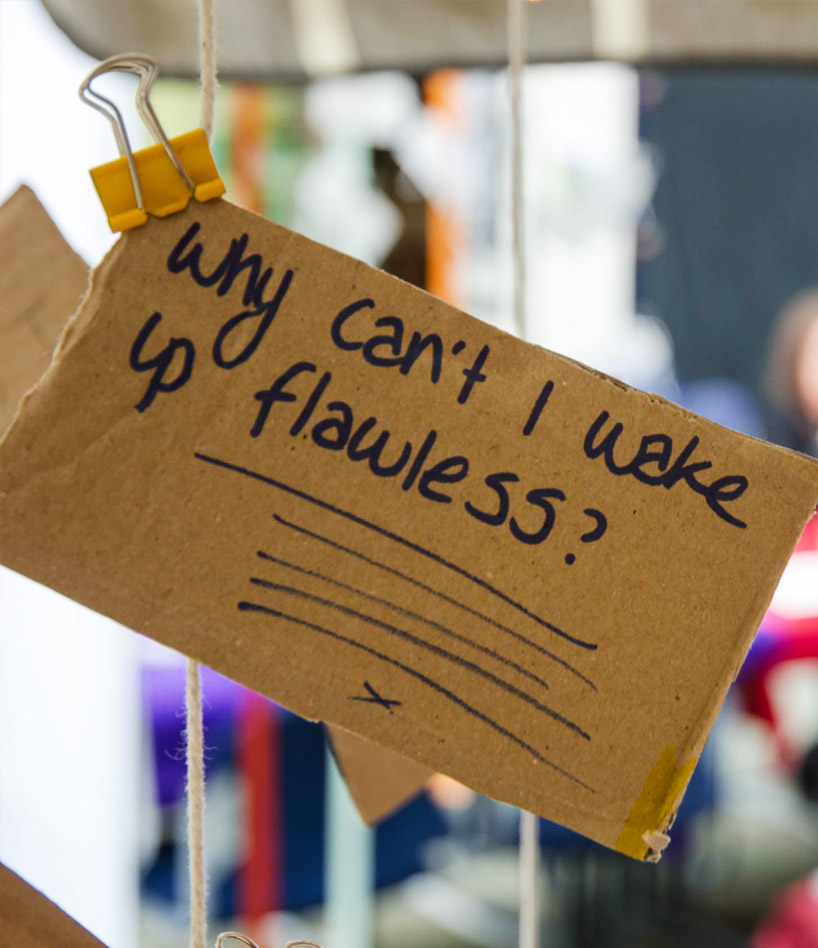
Children and young people are innately curious about life. Growing up raises lots of questions, some to do with their experience, both the good and the bad, and some to do with their sense of wonder at the universe we live in and whether there’s more to life than meets the eye. Many have an interest in the non-material aspects of life, the spirit or soul, and want to explore how these ideas and experiences help them to develop their own sense of identity, self-worth, personal insight, meaning and purpose.
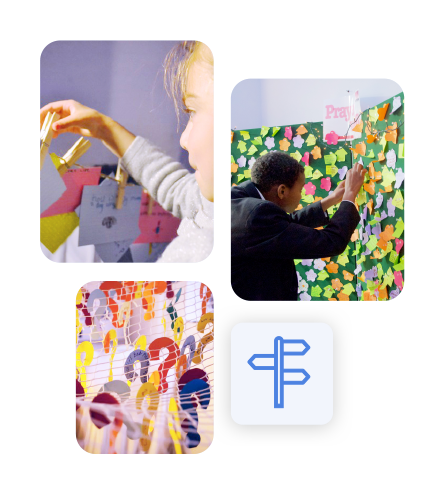
Taking a broadly Christian perspective as a starting point, prayer spaces give children and young people an opportunity to develop skills of personal reflection and to explore prayer in an open, inclusive and safe environment.
The approach does not proselytise and purposely allows pupils to make their own meaning and to draw their own conclusions.
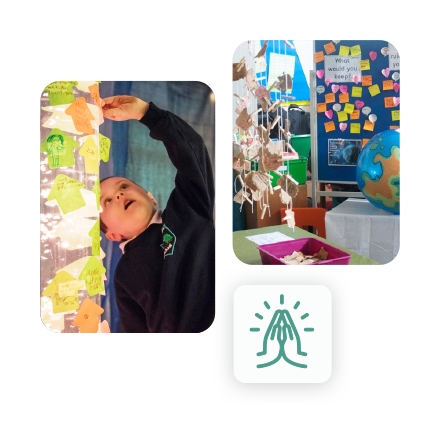
A prayer space is usually (but not always) a classroom sized area that has been transformed for a few days or a week with a range of creative activities that encourage personal reflection on issues such as forgiveness, injustice, thankfulness, big questions, identity and stillness.
In most schools, teachers bring their pupils for subject-lessons in the prayer space. In other schools, pupils are invited to visit the prayer space voluntarily, during their breaks and lunchtimes and maybe after the school day has finished.
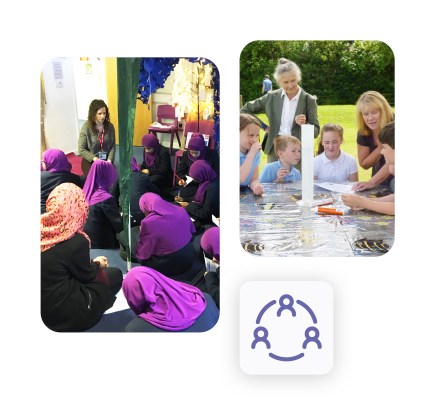
Prayer spaces are usually run by a suitably trained team from a local church or Christian organisation as a service to the school at the invitation of, and with the full co-operation of, senior staff.
Prayer spaces have been welcomed and praised by Head teachers, teachers and parents of different faiths and of no faith as a valuable contribution to their statutory responsibility to support the spiritual, moral, social and cultural development of the pupils.